
Purulia Chhau – The Dance of Masks and Myth
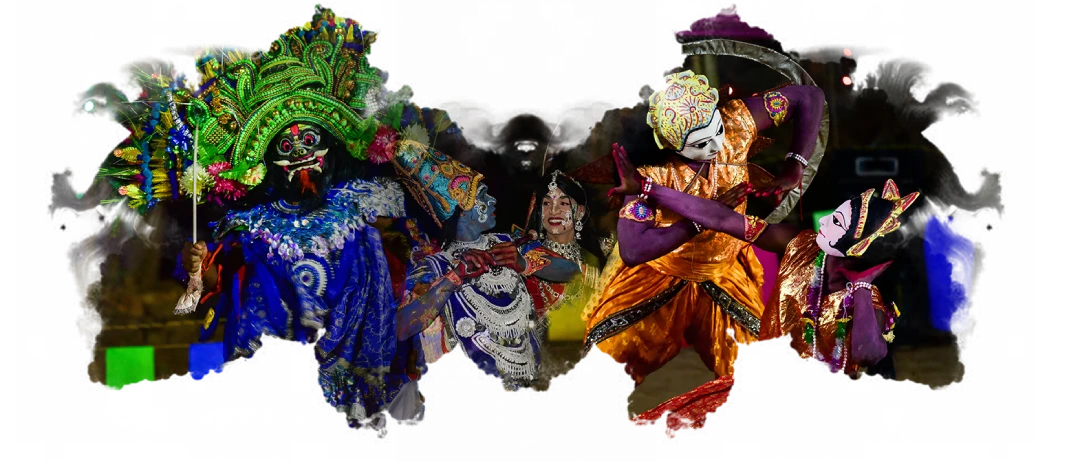
Practised across Baghmundi, Arsha, Jhalda, Balarampur, Bandwan, and Barabazar in Purulia, West Bengal, Purulia Chhau is famous for its dramatic masks, vigorous movements, and mythological themes. The dance draws inspiration from the Ramayana, Mahabharata, and Puranas, performed during the vibrant Chaitra Parab festival in honour of Lord Shiva.
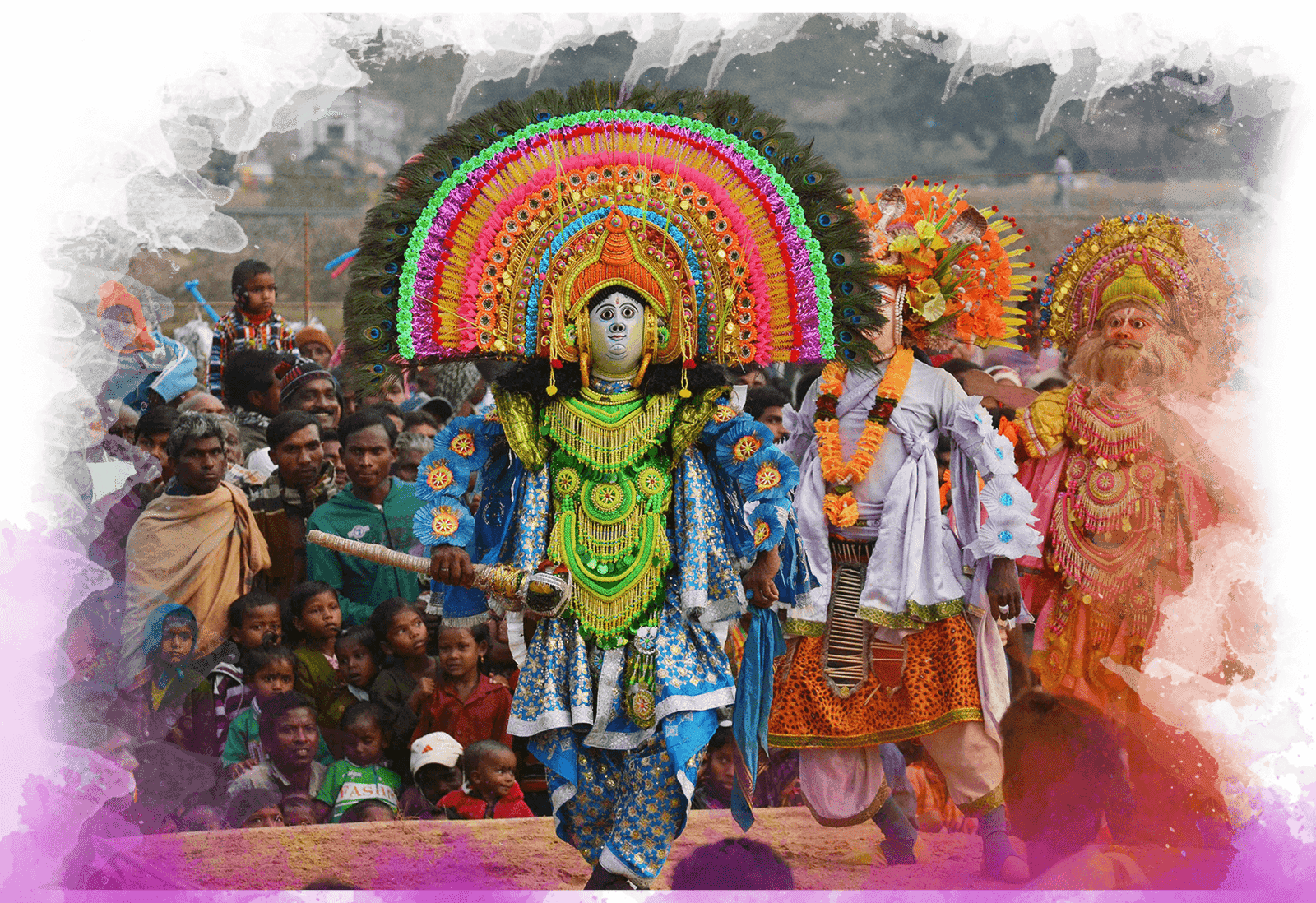
The magnificent masks of Purulia Chhau, crafted by artisans of Charida village, bring each character—gods, demons, heroes—to life. This 150-year-old craft tradition, begun under the patronage of King Madan Mohan Singh Deo of Baghmundi, continues today, blending devotion, artistry, and identity.
Seraikela Chhau – Grace in Discipline
The Seraikela Chhau of Jharkhand is the most stylized and sophisticated among the three forms. Performed with delicately crafted masks, it combines precise, codified movements with layers of symbolism. Rooted in royal court traditions, it embodies cosmic balance and divine play, often portraying gods, heroes, and universal themes through abstraction and grace.
The performances, especially during Chaitra Parab, unite tribal and Hindu motifs, celebrating creation, valor, and spirituality. The minimalist masks and refined choreography create a mesmerizing theatre of devotion and emotion, upheld today by numerous troupes across Seraikela Kharsawan district.
Mayurbhanj Chhau – Martial Art in Motion
Originating in Mayurbhanj, Odisha, this maskless form emphasizes facial expression, agility, and acrobatic precision. Drawing from ancient martial traditions, it fuses attack-and-defense techniques with dance and drama.
Performances like Rookmar Nacha and Pharikhanda Khela showcase mock battles through rhythmic swordplay, symbolizing courage and discipline. Developed under royal patronage—especially by Maharaja Krushna Chandra Bhanjdeo—Mayurbhanj Chhau evolved into a celebrated art that embodies Odisha’s spirit of strength and grace.
Kharsawan Chhau – Echoes of the Earth and the Divine
Emerging from folk martial practices, Kharsawan Chhau fuses elements of tribal, Mayurbhanj, and Seraikela traditions. Its performances, rich with ritual symbolism, portray gods, warriors, and cosmic cycles, performed during Chaitra Parab by dancers from the Santhal, Ho, Oraon, and Munda communities.
Adorned in armour-like costumes, ornate headgear, and symbolic body paint, the dancers create a visually stunning and spiritually resonant spectacle—a living testament to the cultural heartbeat of the region.
Download chau grammer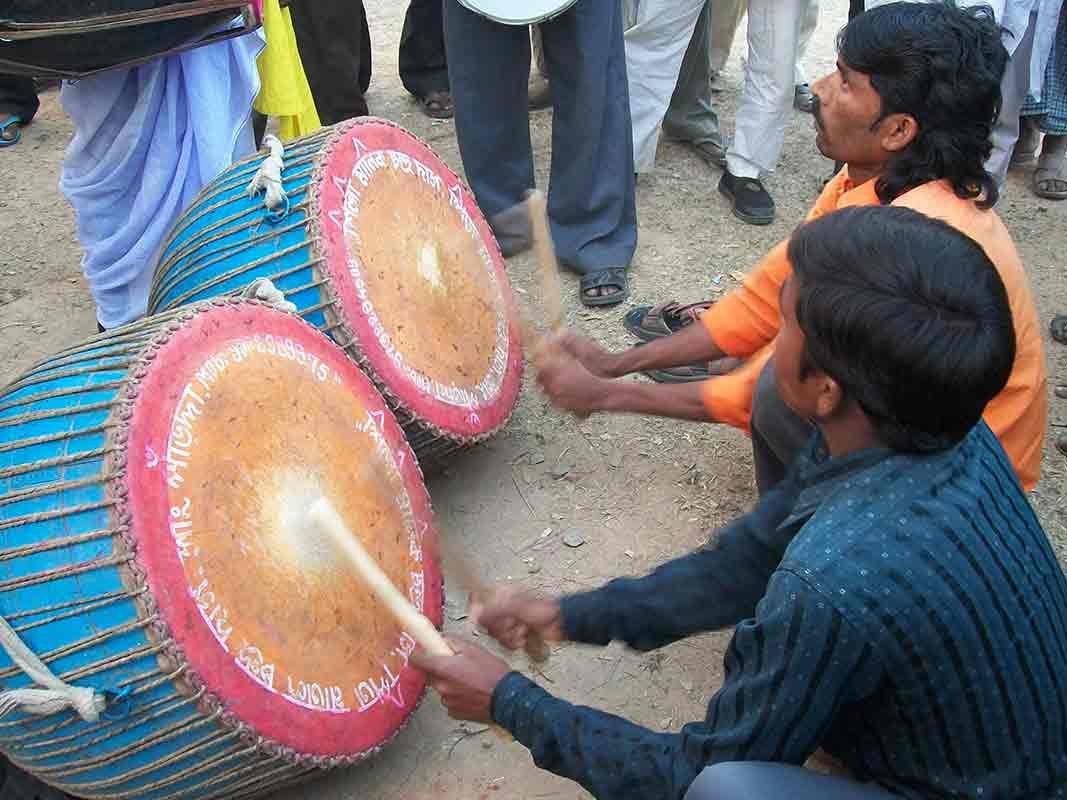
The traditional instruments used during Chau performance include Dhol, Dhamsa, Charchari, Tikra, Nagra, Mahuri, Sanai and flute. Musical instruments are played along with dances depicting different moods and moments. Characterisation is also done with the help of music. There are different music overtures for Arjuna, Ramachandra, Lord Shiva and different other characters.
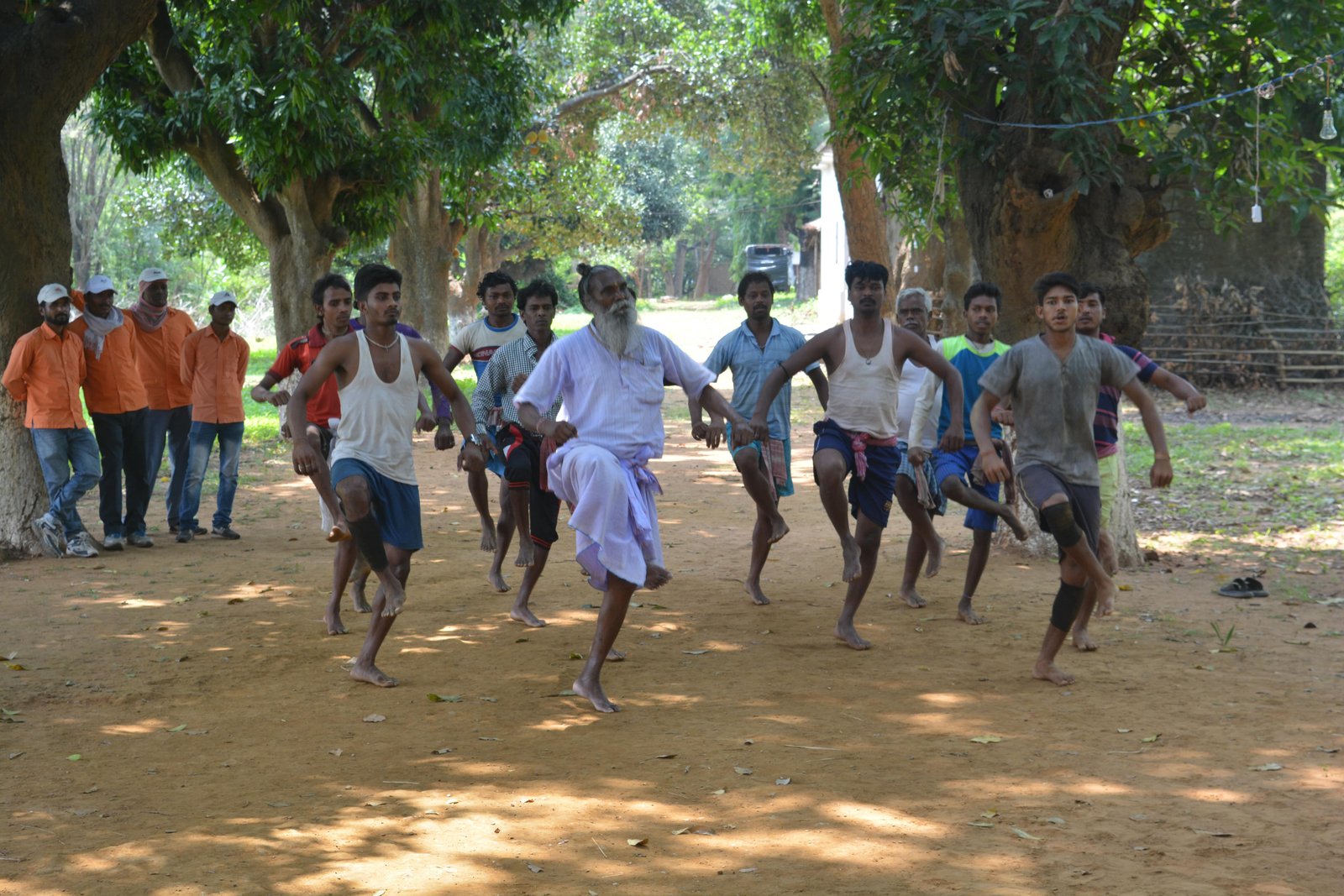
Every Chaal or gait has typical foot works and movements of head, shoulder, hand etc. that bring out the innate features of the characters. Dev Chaal is associated with Gods or the good powers. Bir Chaal is associated with the brave and valiant characters. Asura Chaal is associated with the evil powers. PashuChaal is imitation of movements of animals and birds like lion, monkey, peacock etc. Chau dance is known for these typical foot work and movement of head, shoulder, hand etc.
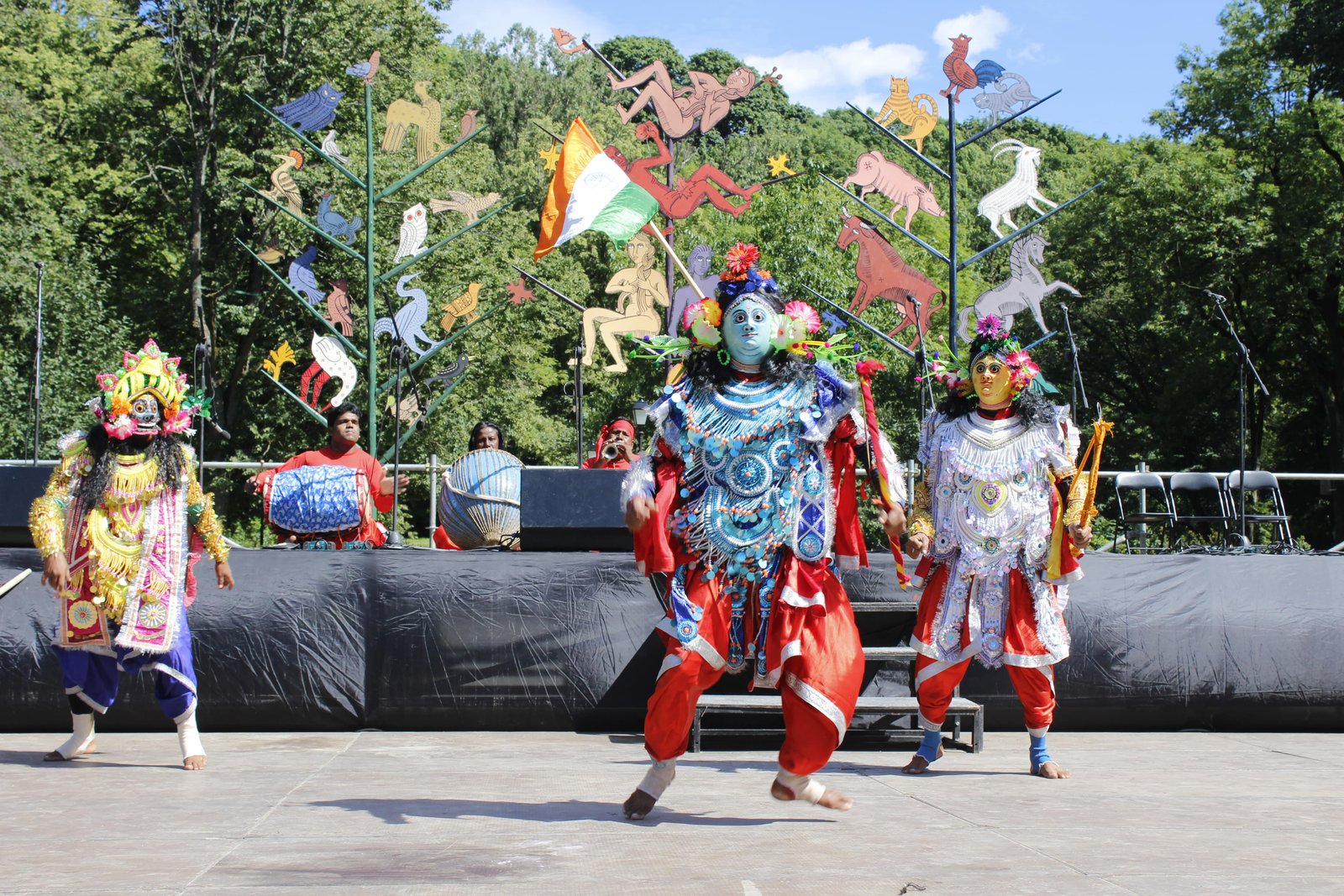
Themes of Chau dance are mainly based on epics like Ramayana and Mahabharata and Hindu Puranas. Mahishasur Mardini remains an all-time favourite play for Chau dancers. Themes were also sourced from mythological stories like Narasimha Avatar, Sabitri Satyaban, Shivapurana, Hiranyakashipu and Sri Krishna. Nowadays plays are also composed on historical and contemporary themes.
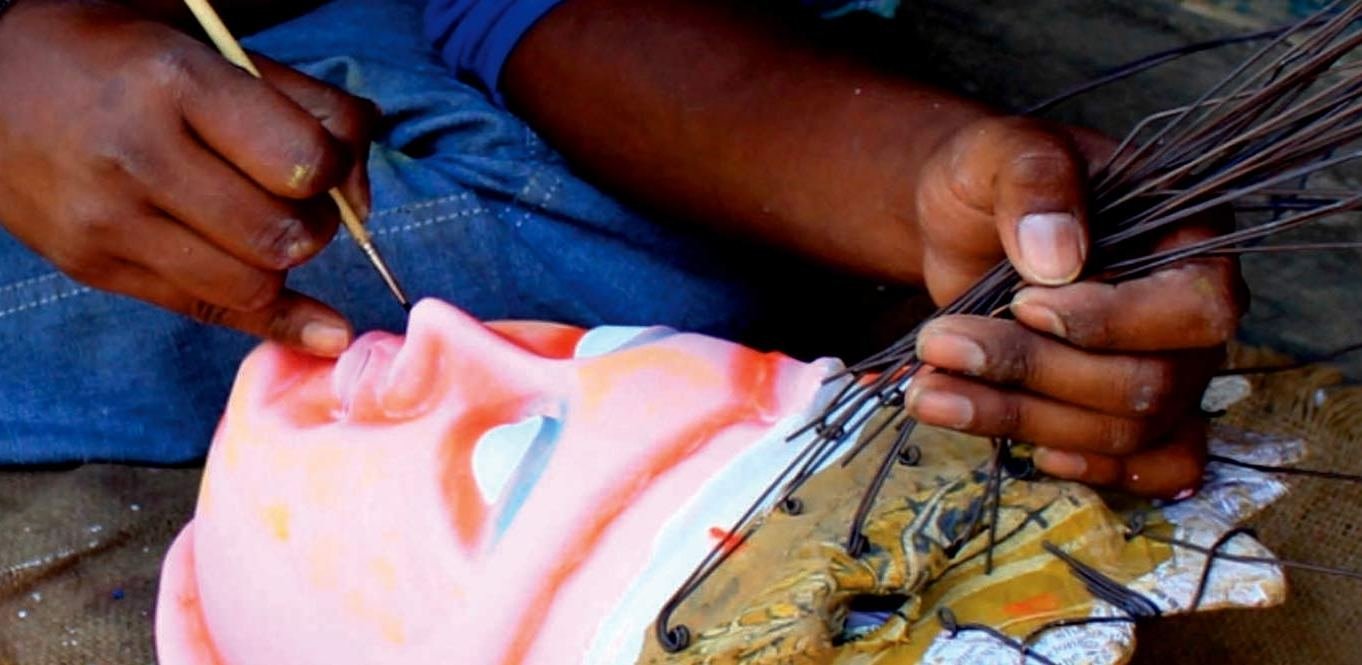
The Chau dancers wear ornate and elaborate masks and dazzling costumes made of tinsel and brocade. The masks used in Purulia Chau are elaborate and ornamental. The masks are made of clay and paper pulp with ornamentation in the headgear.