
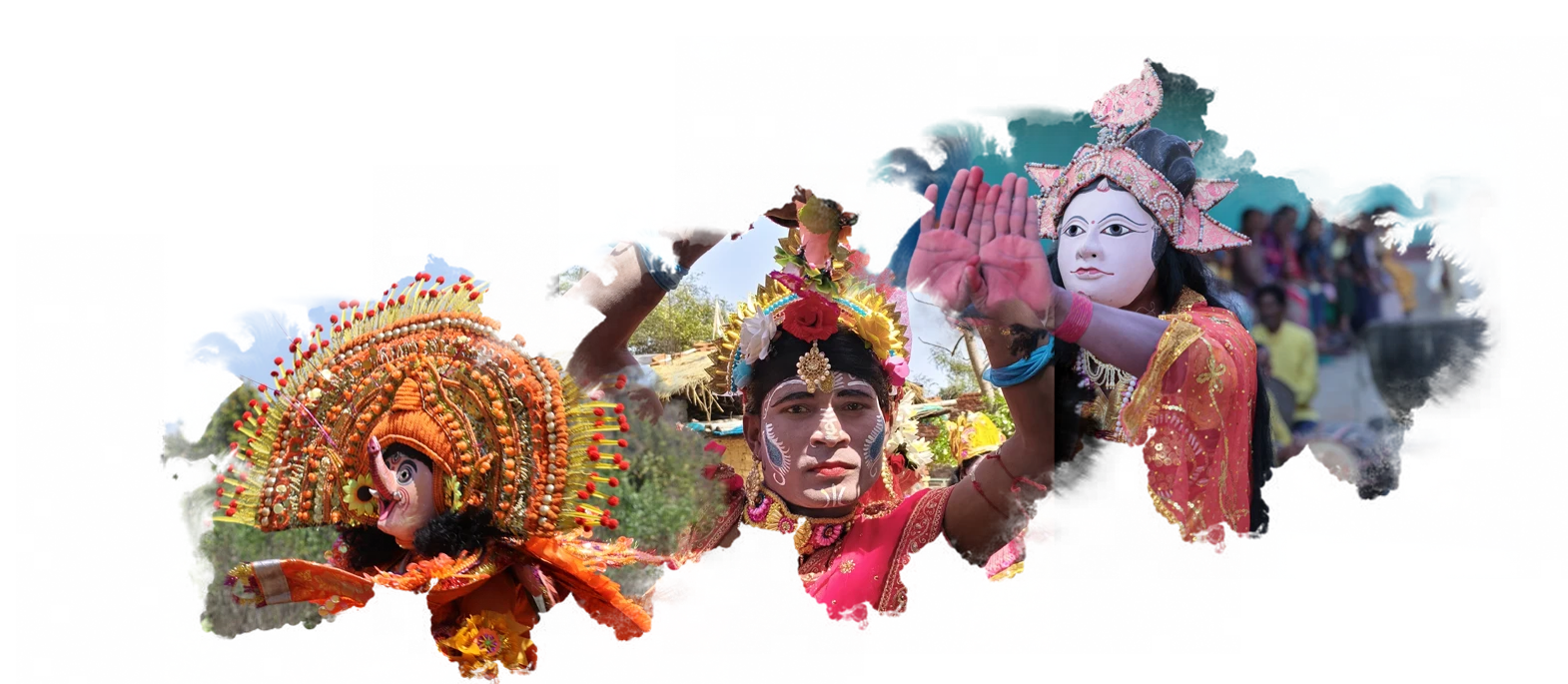
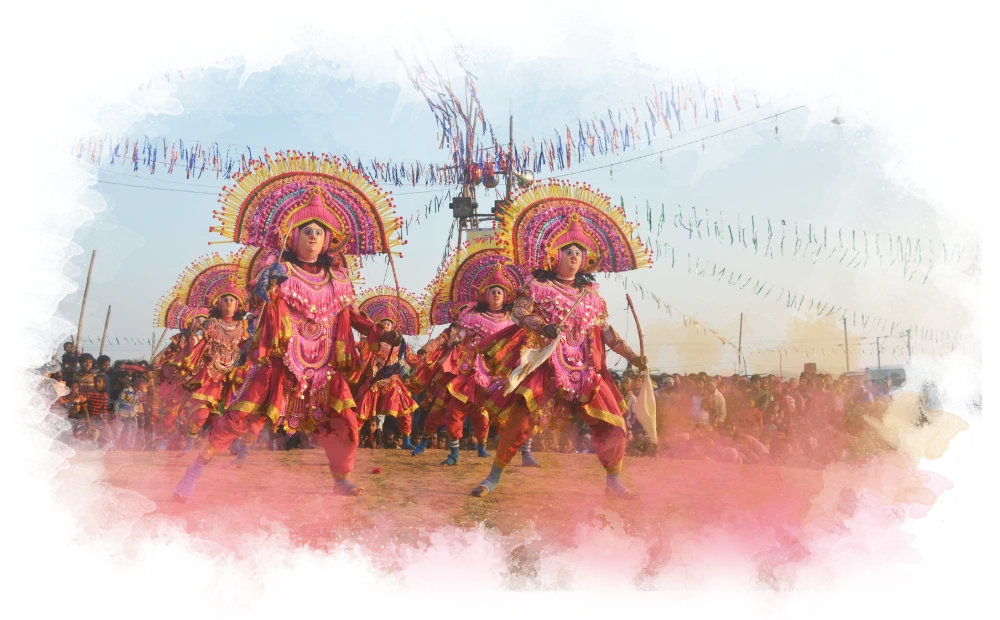
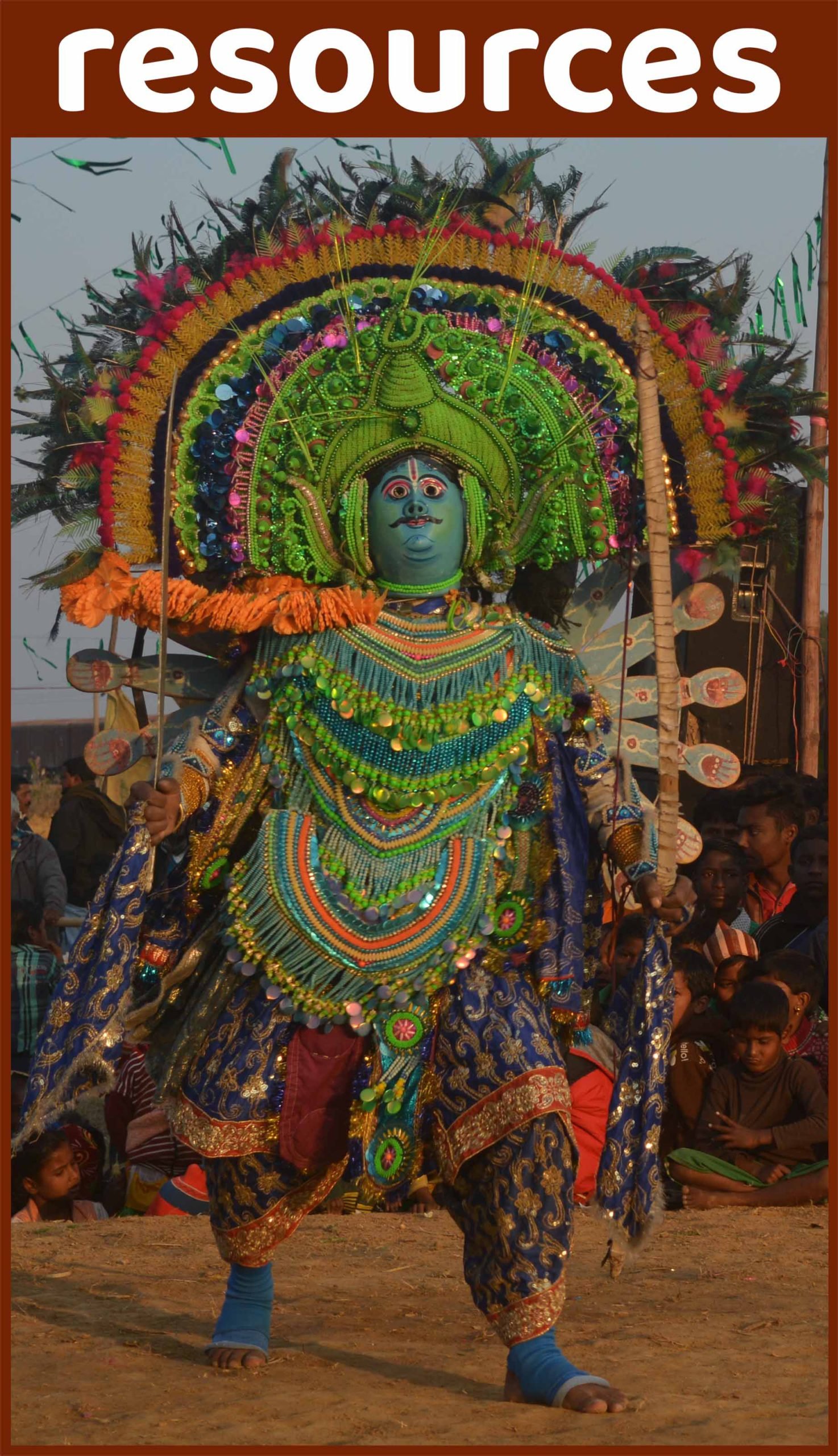
Chhau is a spectacular dance tradition from Eastern India that brings alive tales from the Ramayana, Mahabharata, and regional folklore through powerful, expressive movements. Rooted in the indigenous martial arts and folk traditions of the region, Chhau blends vigour and grace — from combat sequences to the gentle mimicry of birds, animals, and village life.
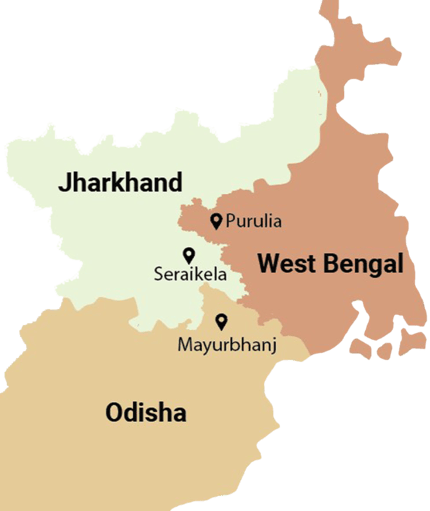
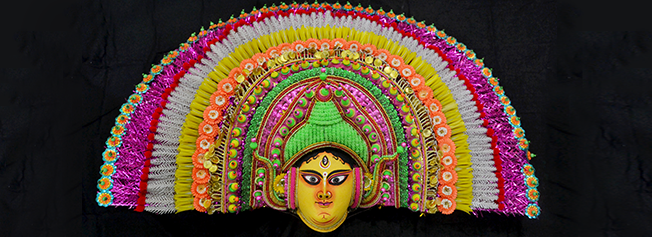
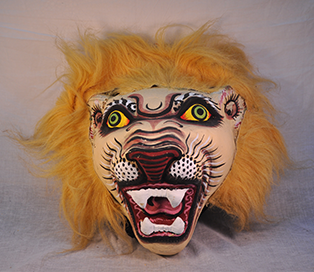
Three principal styles define its diverse expression — Seraikela Chhau of Jharkhand, Purulia Chhau of West Bengal (also known as Manbhum Chhau), and Mayurbhanj Chhau of Odisha — with the first two famed for their striking masks and theatrical flair. A distinctive variant, Kharsawan Chhau, also thrives in Jharkhand, drawing influence from both Mayurbhanj and tribal forms.
Performed under the night sky to the pulsating rhythms of drums and wind instruments, Chhau is not just a dance — it is a celebration of community, identity, and spirit. Recognized by UNESCO in 2010 as an Intangible Cultural Heritage of Humanity, Chhau continues to bridge the past and present, carrying forward the collective dreams and artistry of its people.

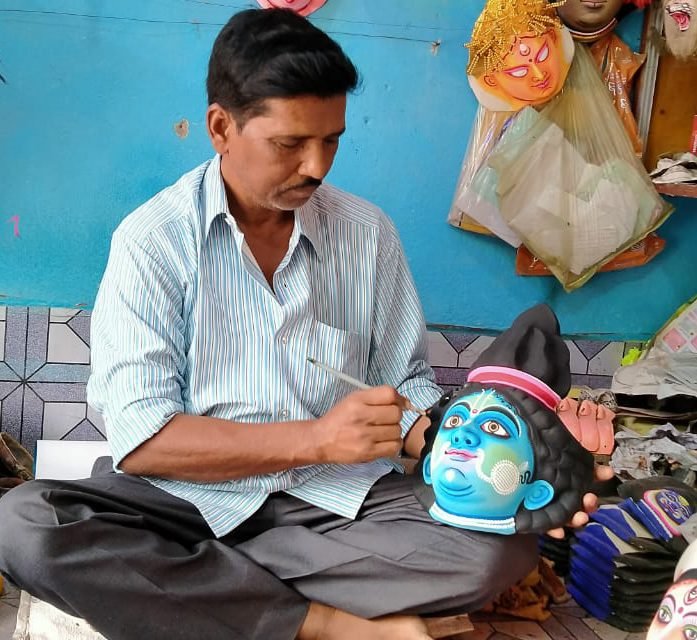
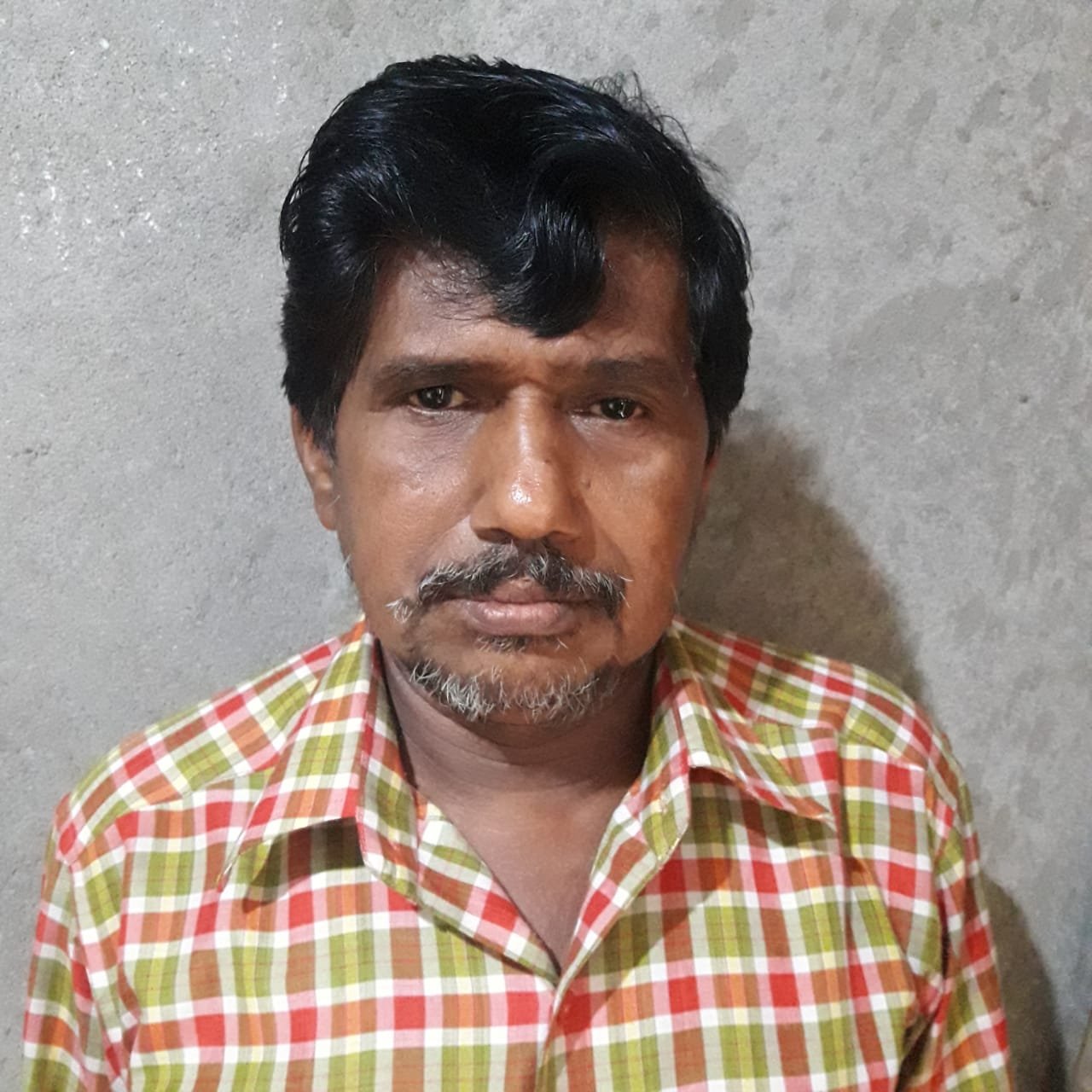
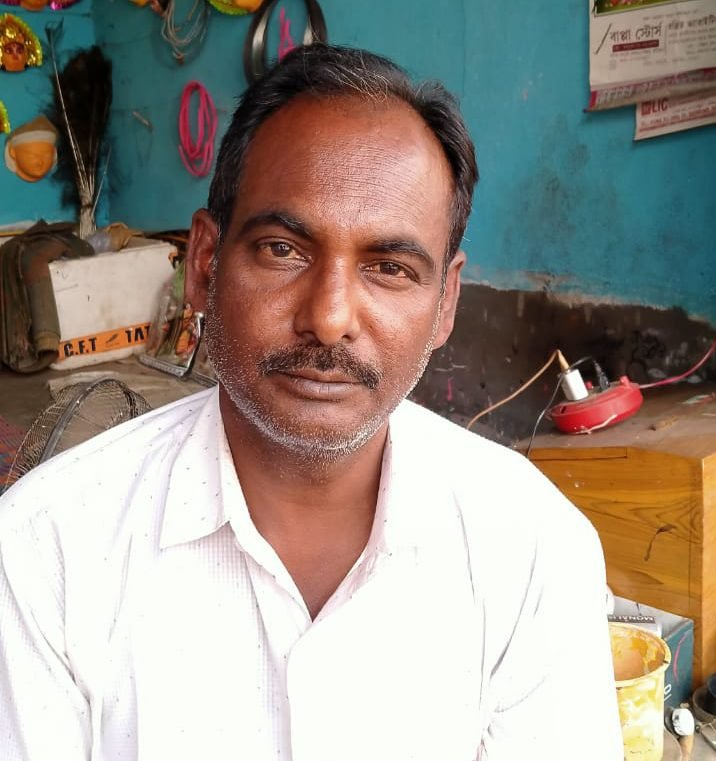
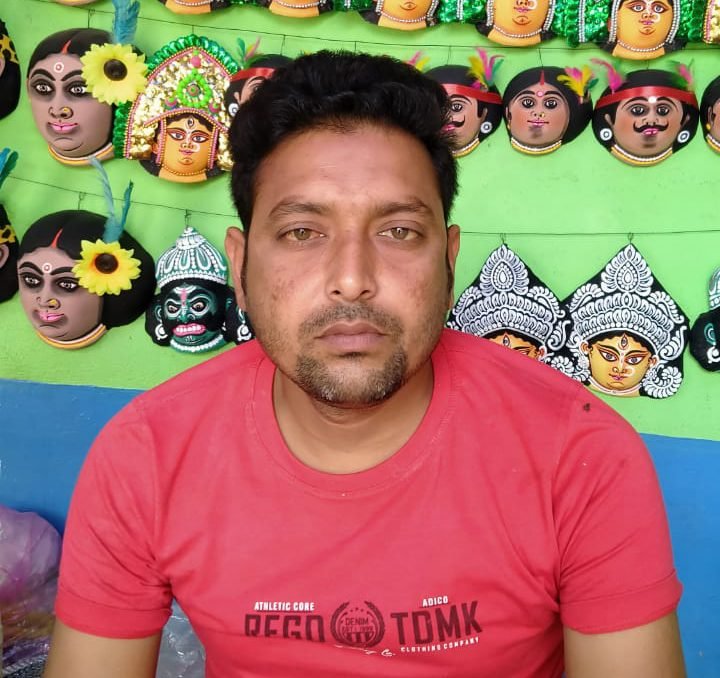
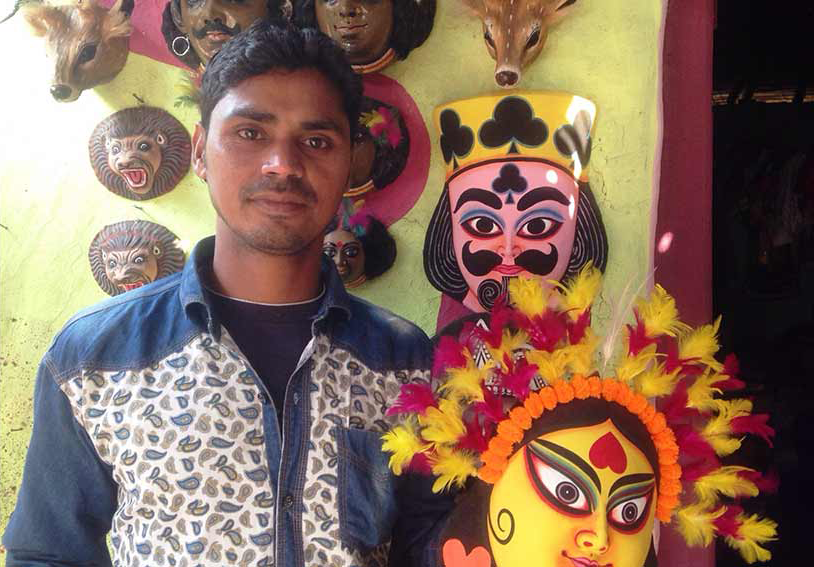
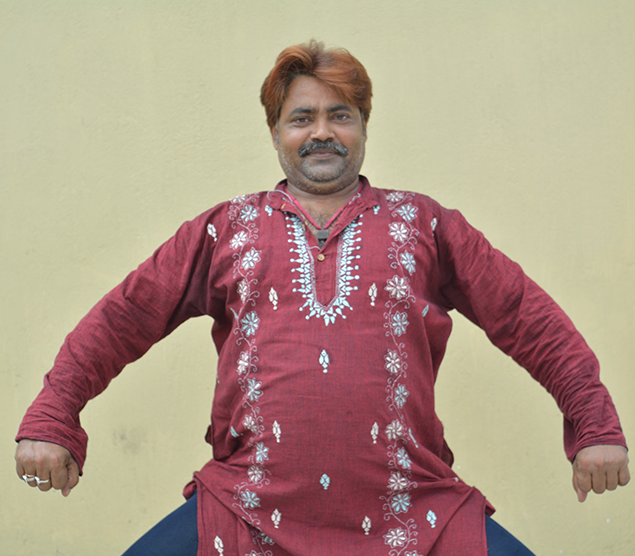
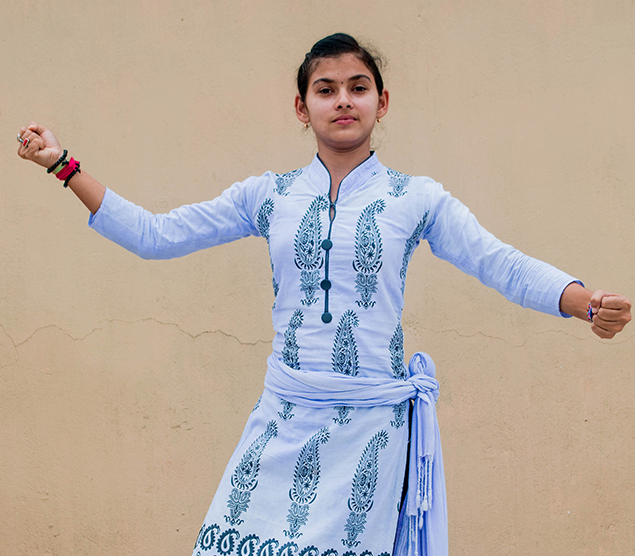
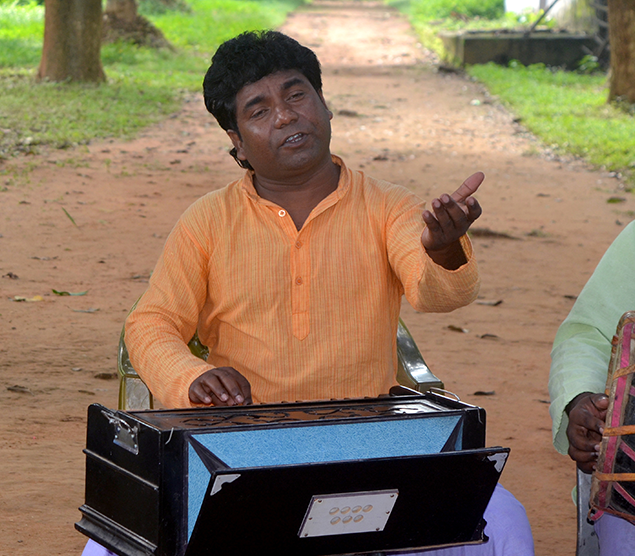
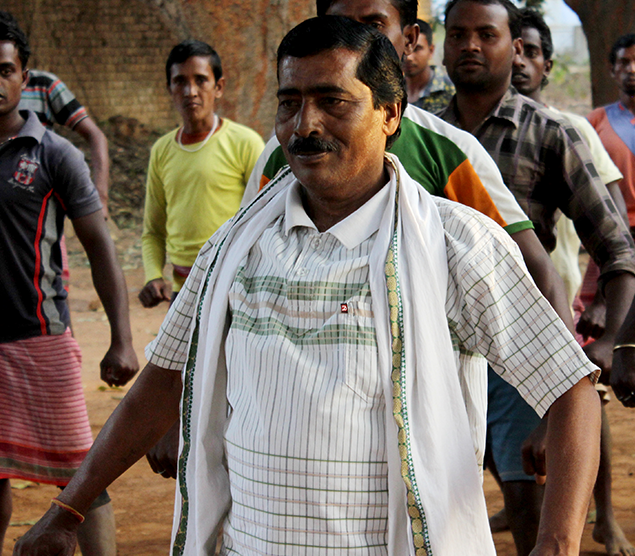
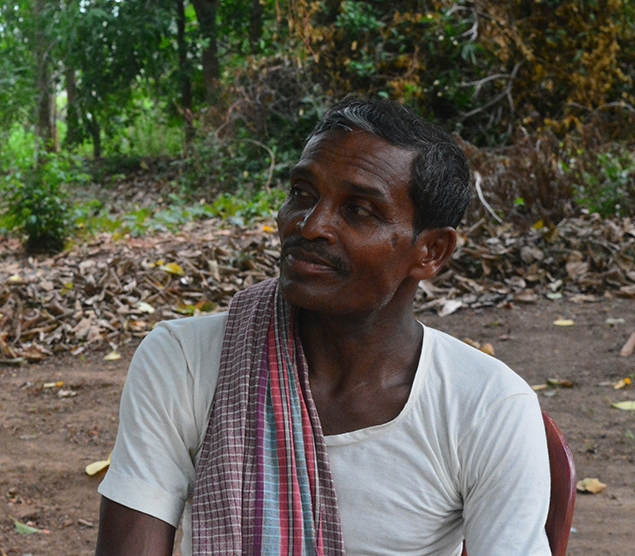
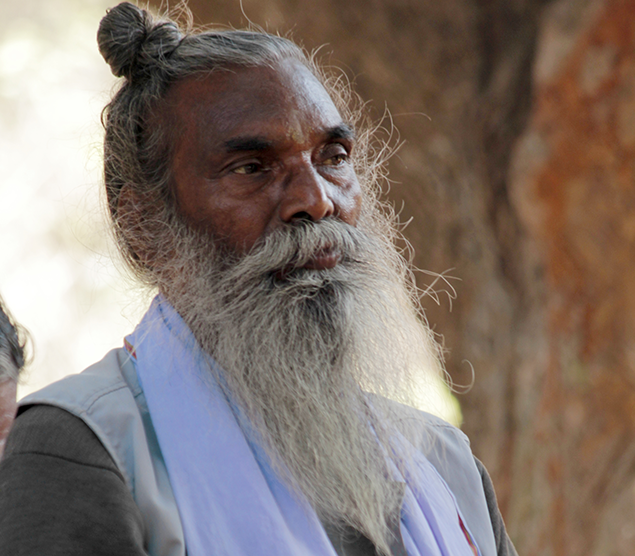
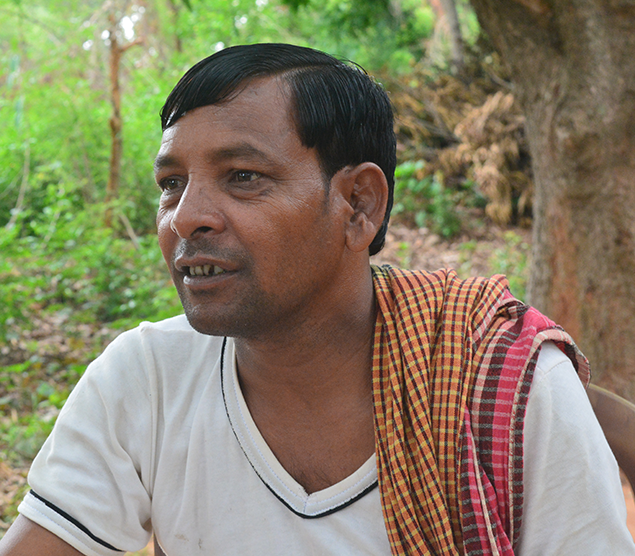

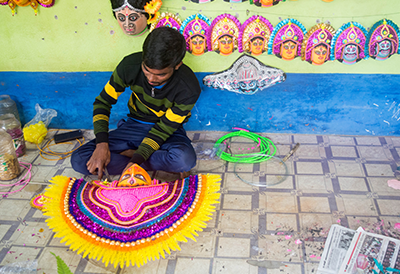


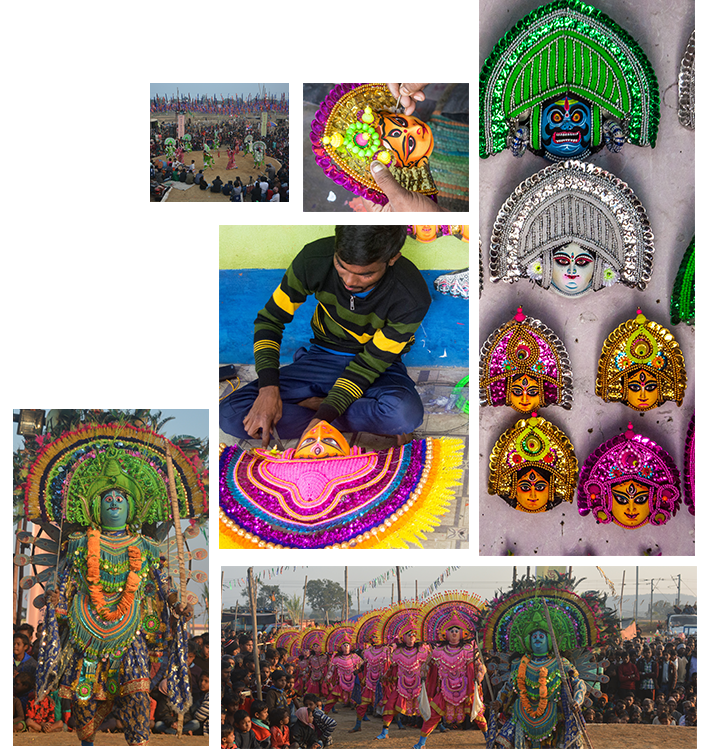
 In 2010 the Chhau dance was inscribed in the UNESCO’s Representative List of the Intangible Cultural Heritage of Humanity.
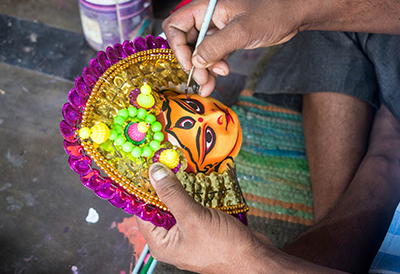
 Purulia Chhau Mask has received the Geographical Indications (GI) tag in 2018. The GI tag conveys an assurance of quality and distinctiveness which is essentially attributable to the fact of its origin in that defined geographical locality, region or country.